

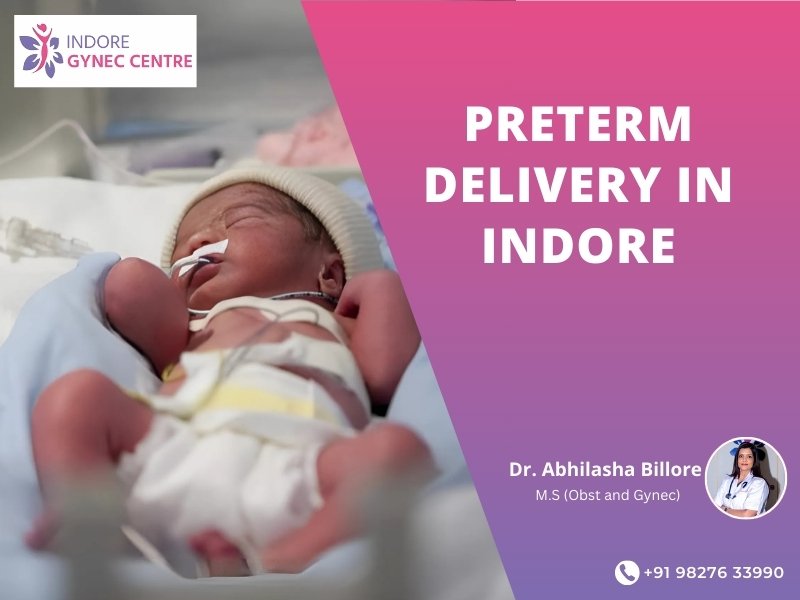
Preterm delivery in Indore is a growing concern among expecting mothers and families. A pregnancy is ideally expected to last for about 40 weeks, giving enough time for the baby to develop properly before birth. However, when a baby is born before completing 37 weeks of gestation, it is considered a preterm or premature delivery. Such cases require specialized medical attention, as premature babies often face challenges related to growth, immunity, and long-term health.
Healthcare facilities offering preterm delivery in Indore provide advanced monitoring, neonatal intensive care, and comprehensive maternal support to ensure the best possible outcomes for both mother and baby. In this blog, we will discuss causes, risk factors, complications, prevention strategies, and treatment options for preterm delivery.
Preterm Delivery in Indore – Why It Happens and Who Is at Risk?
The causes of preterm delivery in Indore are varied and often complex. While sometimes it can occur without an obvious reason, in most cases it is linked to certain medical, lifestyle, or pregnancy-related conditions.
Some common causes and risk factors include:
- Maternal infections such as urinary tract infections or sexually transmitted diseases.
- Chronic medical conditions like diabetes, hypertension, or thyroid disorders.
- Multiple pregnancies (twins, triplets, or more).
- Previous history of preterm delivery in Indore or elsewhere.
- Short spacing between pregnancies.
- High stress levels or lack of prenatal care.
- Age factor – very young mothers (below 18 years) and older mothers (above 35 years).
Understanding these risks helps in early detection and timely intervention to reduce chances of premature birth.
Signs and Symptoms of Preterm Delivery
Identifying the signs of preterm delivery in Indore at an early stage is extremely important for effective medical management. Expecting mothers should watch out for the following symptoms:
- Frequent uterine contractions (more than four in an hour).
- Continuous lower back pain or pelvic pressure.
- Vaginal bleeding or spotting.
- Watery discharge, which may indicate rupture of the amniotic sac.
- Reduced fetal movement compared to normal days.
Immediate consultation with a gynecologist is essential if any of these symptoms appear, as timely care can help delay labor or prepare for a safer delivery.
Health Complications Linked to Preterm Delivery
Babies born through preterm delivery in Indore may face several health challenges because their organs are not fully developed. Some common complications include:
- Breathing difficulties due to immature lungs.
- Low birth weight.
- Difficulty in maintaining body temperature.
- Weaker immune system leading to infections.
- Feeding challenges.
- Higher risk of neurological disorders like cerebral palsy.
Mothers may also face increased risk of postpartum complications if preterm birth is not managed properly. This is why specialized maternal and neonatal care is crucial.
Preventing Preterm Delivery – What Expecting Mothers Can Do
While not all cases of preterm delivery in Indore can be prevented, many lifestyle and medical interventions can lower the risk significantly. Some preventive measures include:
- Regular prenatal check-ups to monitor the health of mother and baby.
- Maintaining a balanced diet rich in iron, calcium, and vitamins.
- Avoiding smoking, alcohol, and excessive caffeine.
- Proper management of chronic medical conditions.
- Stress management through yoga, meditation, or counseling.
- Avoiding unnecessary physical strain or lifting heavy objects.
Early awareness and healthy practices during pregnancy can greatly reduce the likelihood of premature birth.
Treatment and Management of Preterm Delivery in Indore
Advanced hospitals and gynecologists specializing in preterm delivery in Indore offer personalized care plans to manage both mother and child effectively. Treatment options include:
- Medications to delay labor and strengthen fetal lungs.
- Bed rest and hospitalization in high-risk cases.
- Cervical cerclage (a procedure to prevent early opening of the cervix).
- Neonatal Intensive Care Units (NICU) for premature babies requiring special medical attention.
- Continuous monitoring of fetal growth and maternal health.
Such interventions not only improve survival chances but also reduce long-term complications for the baby.
Emotional and Psychological Support for Parents
Facing preterm delivery in Indore can be emotionally overwhelming for parents. Anxiety, fear, and stress are common, especially when the newborn requires NICU care. Counseling sessions, support groups, and guidance from experienced gynecologists can help parents cope with the situation. Mental health care is just as important as physical care during this challenging phase.
Why Choose Specialized Care for Preterm Delivery in Indore?
Choosing a qualified gynecologist and a well-equipped hospital plays a vital role in handling. The expertise of doctors, availability of NICU facilities, and access to advanced diagnostic tools ensure timely and effective management of high-risk pregnancies.
Specialized centers focus not only on delivery but also on long-term follow-ups for premature babies, including growth monitoring, vaccination schedules, and developmental assessments.
Frequently Asked Questions about Preterm Delivery in Indore
Q1. What is Preterm Delivery in Indore?
Preterm delivery in Indore refers to childbirth that occurs before 37 weeks of pregnancy. It requires expert gynecological care and neonatal support to ensure the safety of both mother and baby.
Q2. What are the common causes of Preterm Delivery in Indore?
The main causes include high blood pressure, diabetes, infections, multiple pregnancies, lifestyle factors like smoking, and complications in the uterus or cervix.
Q3. What are the symptoms of Preterm Delivery?
Symptoms include frequent contractions, vaginal bleeding, pelvic pressure, abdominal cramps, and changes in vaginal discharge. Immediate medical attention is required if these occur.
Q4. How is Preterm Delivery diagnosed?
Doctors may use ultrasound, pelvic exams, fetal monitoring, and laboratory tests to identify risks and manage preterm labor at the earliest stage.
Q5. Can Preterm Delivery be prevented?
While not all cases can be prevented, regular antenatal checkups, proper nutrition, controlling chronic illnesses, and avoiding stress can reduce the risks.